






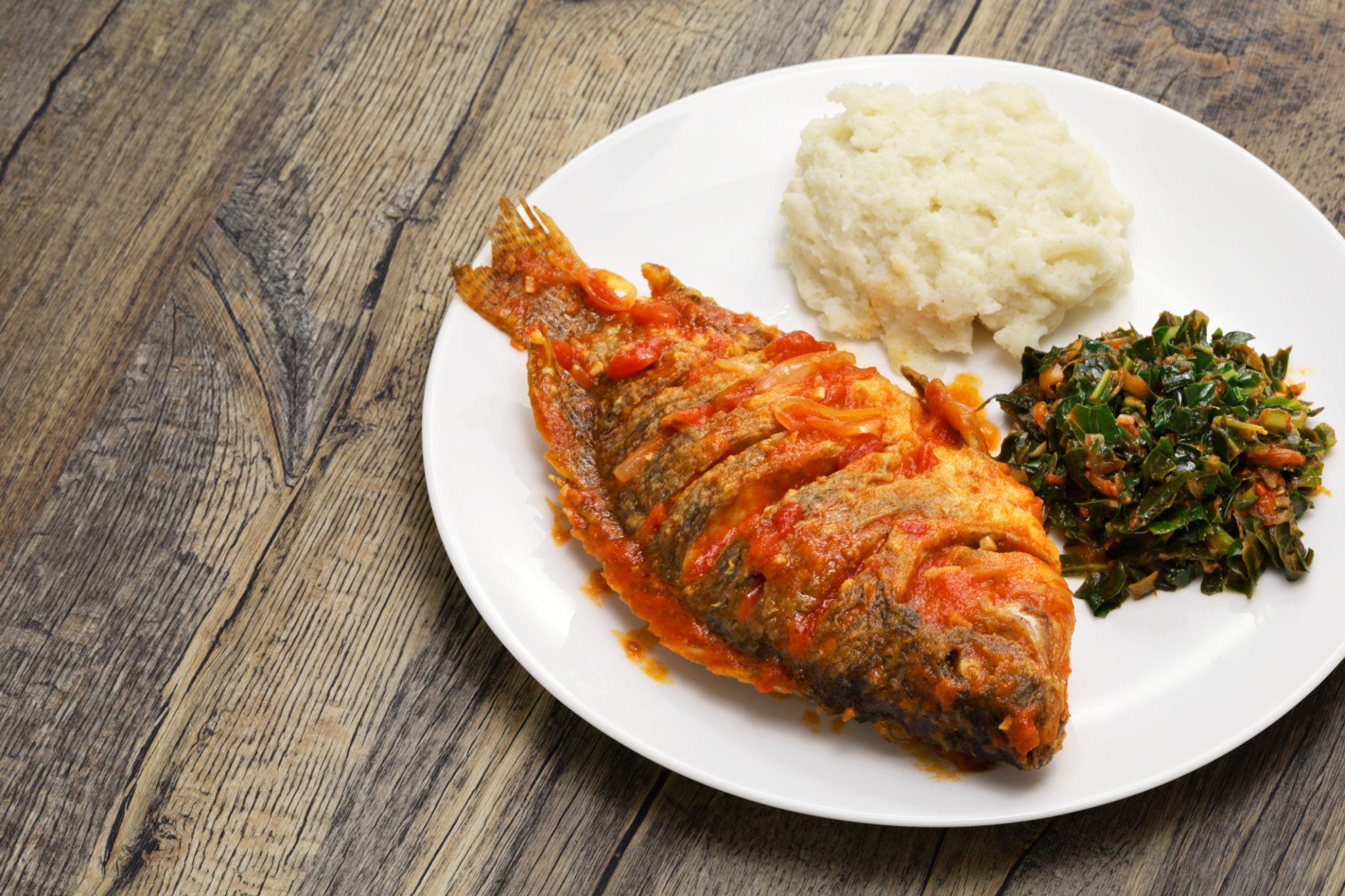
Ugali is one of the most important staple foods in East Africa. It is simple to make, yet getting the perfect texture requires the right technique. When done correctly, ugali should be firm, smooth, and easy to shape.
This guide shows you how to cook ugali perfectly using a simple step-by-step process.
What you need to cook ugali


5
Before you start, gather these ingredients and tools:
- Maize flour (cornmeal)
- Water
- Cooking pot (sufuria)
- Wooden cooking stick (mwiko)
These are the basic essentials for preparing ugali.
Step-by-step process to cook ugali


6
Step 1: Boil water
Pour water into a cooking pot and bring it to a boil.
Step 2: Add maize flour gradually
Reduce the heat slightly. Add a small amount of maize flour and stir to form a light porridge.
Step 3: Add more flour
Continue adding maize flour slowly while stirring. This helps avoid lumps.
Step 4: Stir and mix
Use a wooden stick to mix the ugali. Stir firmly until it becomes thick and begins to pull away from the sides of the pot.
Step 5: Let it cook
Cover the pot and allow the ugali to cook for a few minutes on low heat.
Step 6: Shape and serve
Turn the ugali in the pot and shape it into a smooth mound. Serve while hot.
Tips to cook ugali perfectly


7
- Add flour gradually to prevent lumps
- Stir continuously for a smooth texture
- Adjust thickness by adding more flour or water
- Use medium heat to avoid burning
These tips will help you achieve the perfect consistency.
Common mistakes to avoid


6
- Adding too much flour at once
- Not stirring enough
- Using very high heat
- Making it too soft or too hard
Avoiding these mistakes improves your results.
What to serve with ugali


6
Ugali pairs well with many dishes, including:
- Sukuma wiki (collard greens)
- Nyama choma (grilled meat)
- Fish (tilapia)
- Beans or stews
These combinations create a complete and satisfying meal.
Conclusion
Learning how to cook ugali perfectly is simple with the right steps and technique. By following this guide, you can prepare smooth and delicious ugali every time.
With practice, you will master the texture and enjoy this staple dish just like it is served across East Africa.